
1. Traditional Style
-
Classic design with rich detailing
-
Features curved lines, rolled arms & decorative woodwork
-
Upholstered in velvet, brocade, or tapestry
-
Adds elegance, grandeur & timeless charm
-
Ideal for heritage or vintage-inspired interiors
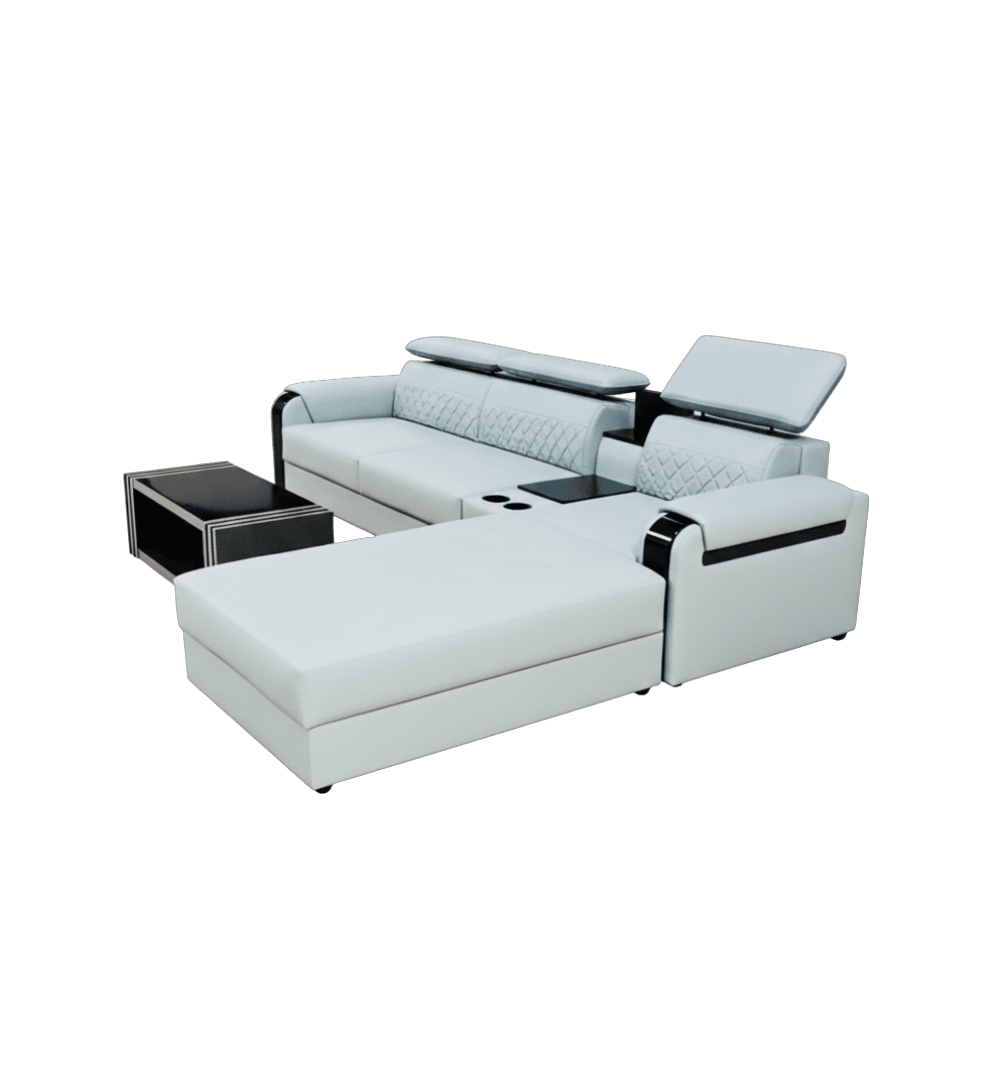
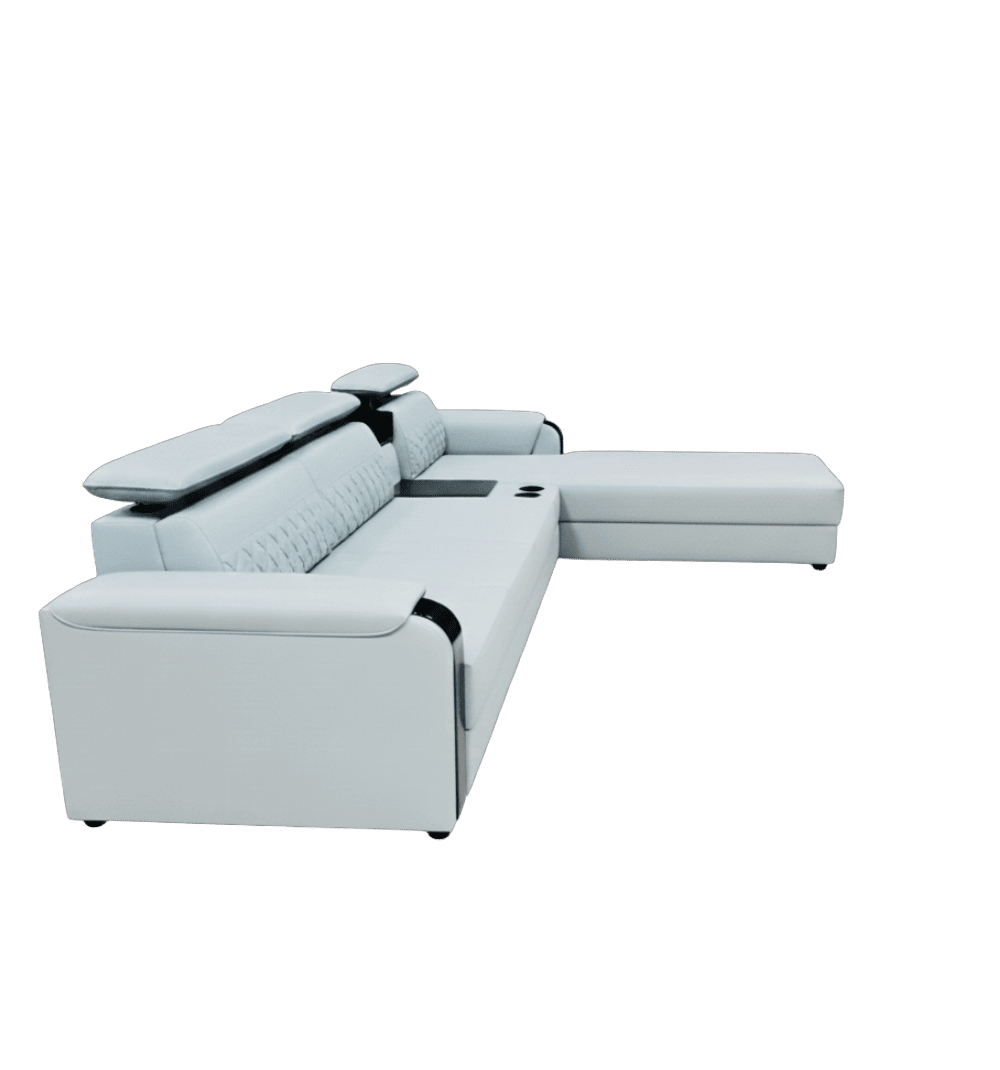
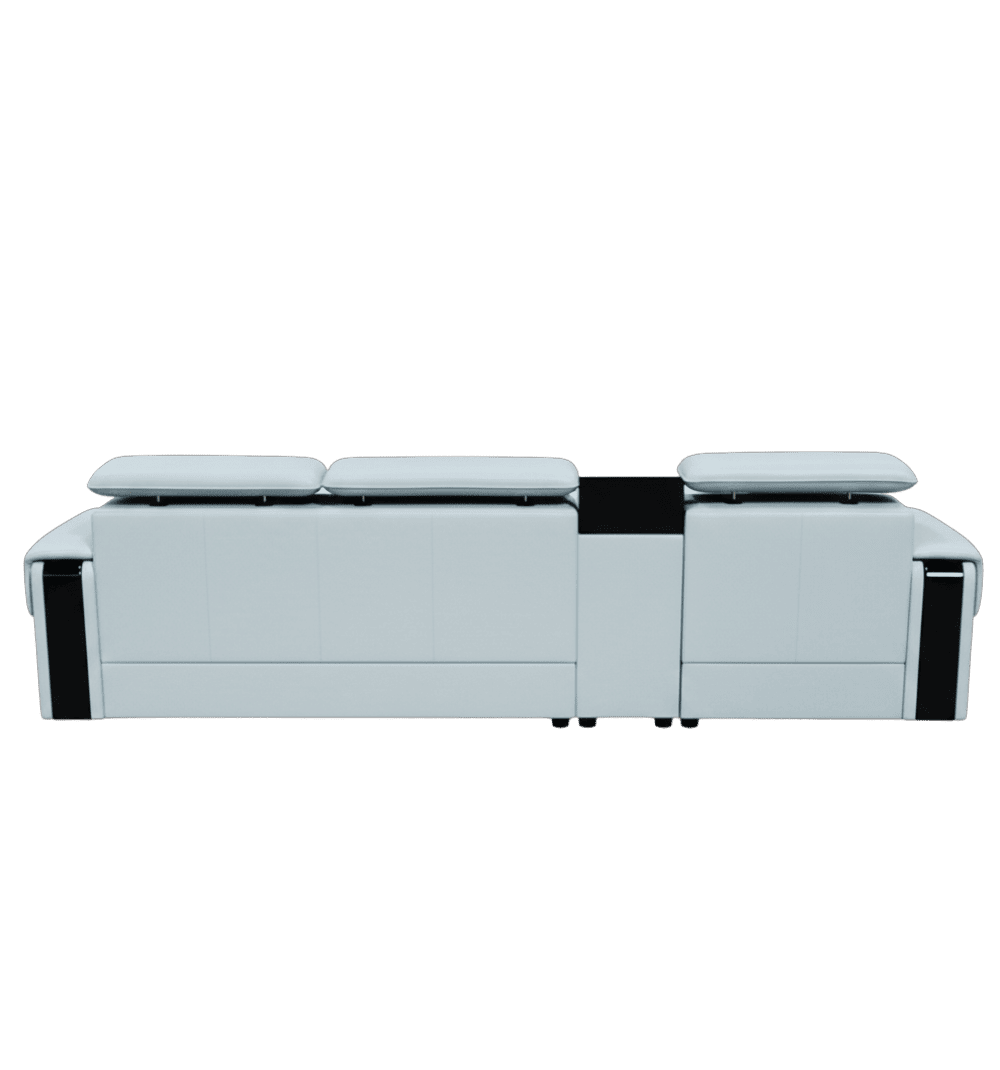
2. Modern / Contemporary Style
-
Clean lines and minimalistic silhouette
-
Neutral colors with sleek metal/wood accents
-
Creates a spacious, clutter-free look
-
Best for urban homes & modern open layouts
3. Transitional Style
-
Mix of traditional warmth & modern simplicity
-
Soft curves, neutral tones & balanced shapes
-
Flexible style that fits many décor themes
-
Great for homes blending old and new elements
Additional Information (Add to Product Page / Catalog)
⭐ Why Style Selection Matters
-
Helps match your sofa with existing interior themes
-
Influences the room’s overall mood—classic, modern, or balanced
-
Ensures long-term compatibility with evolving décor trends
⭐ How Customers Should Choose the Right Style
-
Traditional: if you prefer richness, warmth, and ornamentation
-
Modern: if you like simplicity, clean looks, and minimalist décor
-
Transitional: if you want the best of both—soft, elegant, and adaptable
⭐ Suitable Spaces
-
Traditional: formal living rooms, villas, classic interiors
-
Modern: apartments, contemporary living spaces, studio homes
-
Transitional: mixed-theme rooms, renovated homes, evolving décor
⭐ Material & Upholstery Tips
-
Traditional: velvet, brocade, premium textured fabrics
-
Modern: linen, leatherette, pure leather, performance fabrics
-
Transitional: linen blends, suede, soft-touch modern fabrics
If you want, I can also create:
✔ A comparison chart of all three styles
✔ A website-ready description section
✔ SEO-optimized meta title & description for “Sofa Style Options”
✔ Additional style categories (Scandinavian, Mid-Century, Luxury, Chesterfield, etc.)
Just tell me!
_1756286836_Nt2W.webp)